Origins of the University of Rochester School of Nursing: A vision ignited in 1925
By Gianluca D'Elia
Monday, February 9, 2026
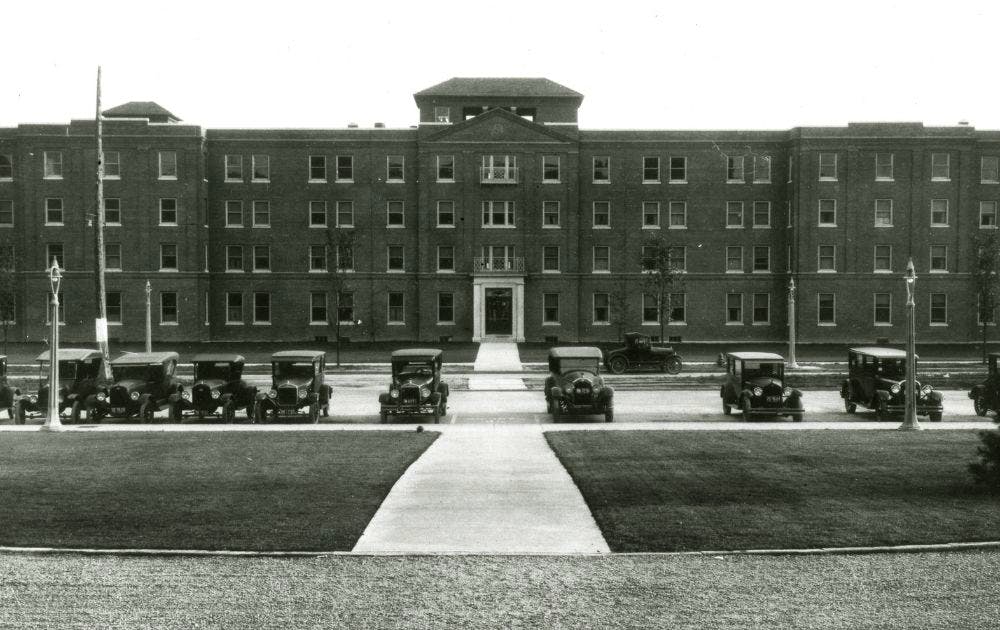
This article appears in the 100 Years Commemorative Issue of Rochester Nursing magazine.
The University of Rochester School of Nursing formed during a time of healthcare transformation. A new model for academic medical centers was taking shape, integrating scientific research, patient care and education. Calls for reform were being taken up by individuals and organizations with the commitment, capability and resources to carry them out. In 1923, the Goldmark report, commissioned by the Rockefeller Foundation and formally titled Nursing and Nursing Education in the United States, articulated the vision for a university- based University of Rochester School of Nursing with a scientific and educational foundation. The first superintendent of the University of Rochester School of Nursing, Helen Wood, served on the Committee for the Study of Nursing Education that published the report and was committed to implement its findings.
In 1925, Wood had fertile ground in which to bring the report’s recommendations to fruition. The Nursing School was established concurrently with Strong Memorial Hospital and the School of Medicine and Dentistry. That unification of education, clinical practice and research in a single institution created an environment that would foster a century of innovation.
Most nursing schools at the time were hospital-based training programs. Student nurses worked in the hospital, spending long hours in wards and at patient bedsides with few hours devoted to learning. There was no standard curriculum and little formal instruction or academic supervision. Nursing was not recognized or defined as a profession. The Goldmark report identified these shortcomings and emphasized the need to develop a core of nurse leaders, administrators and teachers to guide the profession.
Rochester was among the first nursing schools explicitly created to address the criticisms of the Goldmark report. The University of Rochester School of Nursing, then, originated as an agent of change, a model for the transformation of nursing education that would be embraced nationwide. Its legacy was the creation of university-based, science-oriented program that elevated nursing from a hospital trade to a respected, academic profession where clinical experience complemented classroom instruction instead of replacing it.
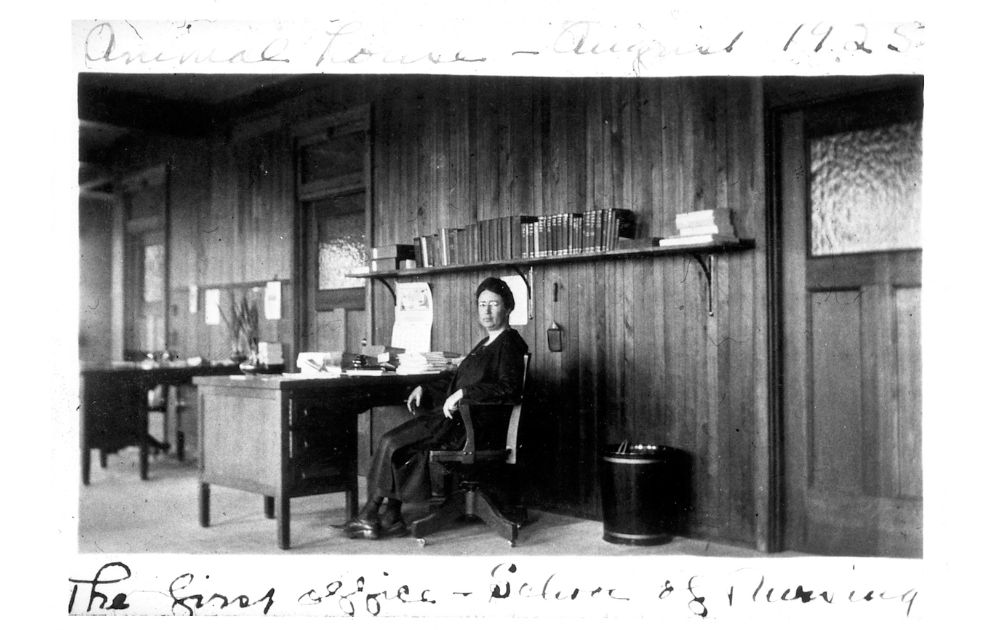
Wood built a curriculum grounded in biological and social sciences rather than clinical labor. Students took courses in liberal arts as well as in biology, chemistry, psychology and public health. A five-year program was established that led to a Bachelor of Science degree awarded by the College of Arts and Sciences. After three years of liberal arts, most students would spend two years and two summers completing the nursing degree requirements. The program aimed to produce nurse leaders, teachers, and administrators and graduates were expected to participate in public health and community nursing, reflecting the Goldmark report’s emphasis on social responsibility.
While not all the recommendations of the Goldmark report were achieved at the onset, its primary goals were realized as the school continued to evolve in structure and governance. Eventually, it would become comparable organizationally – in autonomy, financing, faculty and facilities – to the school of medicine. Wood and the deans and directors that followed continued to advocate for interdisciplinary integration so that nursing education would align scientifically with medicine.
The guiding principles set out at the school’s origins continue to bear fruit today. Research programs address challenges and problems encountered in clinical practice. Education and research emphasize scientific rigor, the art of nursing practice and the values that underpin care. Nursing care stems from multidisciplinary efforts to prepare providers, plan, deliver and evaluate services and encourage the discourse that drives health policy.
Subscribe to our newsletter for monthly updates and visit our Centennial website to celebrate 100 years of nursing excellence with us.